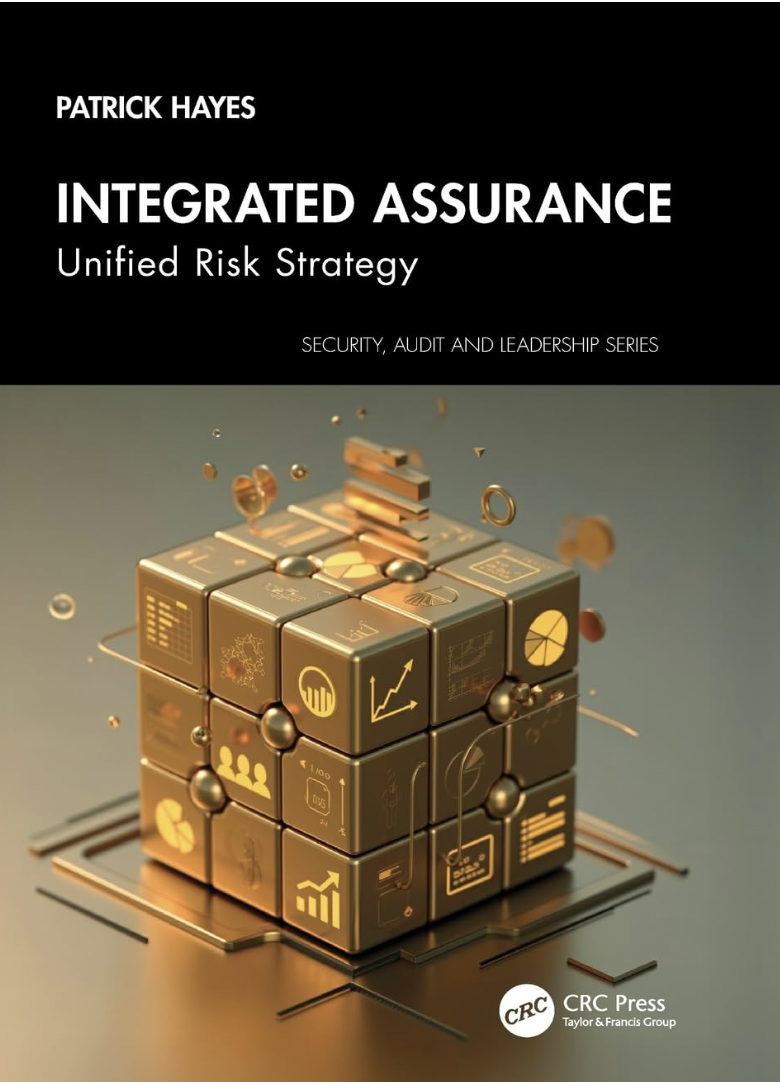
Integrated Assurance
Unified Risk Strategy
The foundational argument for treating assurance as one coordinated activity rather than a set of separate functions reporting on the same business.
Author · Strategist · Executive Advisor · Keynote Speaker
Technology is changing faster than most organizations can understand the risk it creates. AI is accelerating decisions, vendors are making more of them outside your control, and complexity continues to accumulate inside the business.
Patrick M. Hayes works with business leaders to understand where that complexity creates hidden fragility and whether the organization can continue operating when something it depends on fails.
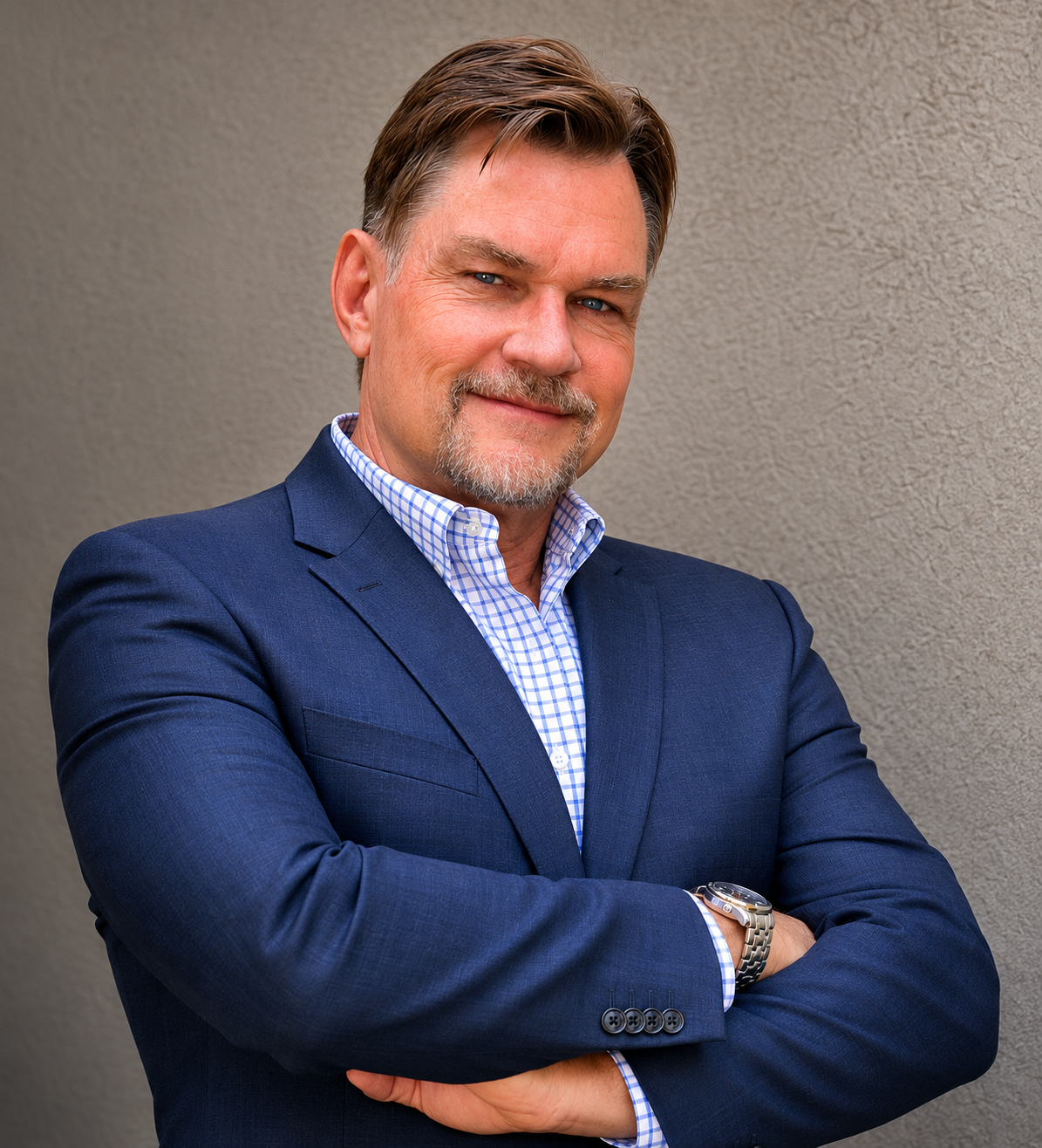
Patrick M. Hayes has spent more than 30 years working across cybersecurity, enterprise architecture, operations, governance, risk management and executive leadership.
His work today focuses on a larger question: what allows a business to continue operating when the assumptions, technologies and dependencies it relies upon begin to fail?
That question does not belong to any single function. It sits between them, which is where most of the interesting risk in a modern organization tends to live.
The work
Five connected areas of research and practice that form a larger argument about what allows a business to keep operating.
Whether a business can keep operating when critical assumptions, systems, people or dependencies fail.
An operating model that lets leadership see risk across boundaries instead of one function at a time.
The accumulated cost of reasonable decisions that were never revisited, and of choices now made elsewhere.
The untested assumptions about systems, people and vendors that daily operations quietly depend on.
How AI moves decisions into places the organization cannot observe, explain or govern.
The central idea
Continuity and recovery work is built around events. A scenario is chosen, a response is rehearsed, and success is measured by the time it takes to return to normal operations.
Business Survivability asks a more fundamental question. If critical assumptions, systems, people or dependencies fail, can the organization keep functioning, serving customers, moving money and making decisions while the situation is unresolved?
Answering that requires looking at conditions the business is already in: hidden fragility, accumulated complexity, organizational debt and decisions made under uncertainty by people and systems far from the executive table.
The framework
An operating model developed through Patrick's work in enterprise architecture, cybersecurity, governance and risk.
Its purpose is to help organizations understand risk across traditional organizational boundaries rather than treating cybersecurity, technology, operations, governance, resilience and business risk as separate problems.
The Integrated Assurance Maturity Model, the IAMM, describes how far an organization has actually moved toward that coordination, and what the next meaningful step looks like.
IAMM Self-Assessment
Get an indicative view across the six IAMM domains in about five minutes.
Published work
The books document the evolution of Patrick's thinking from Integrated Assurance to the larger question of Business Survivability.
Unified Risk Strategy
The foundational argument for treating assurance as one coordinated activity rather than a set of separate functions reporting on the same business.
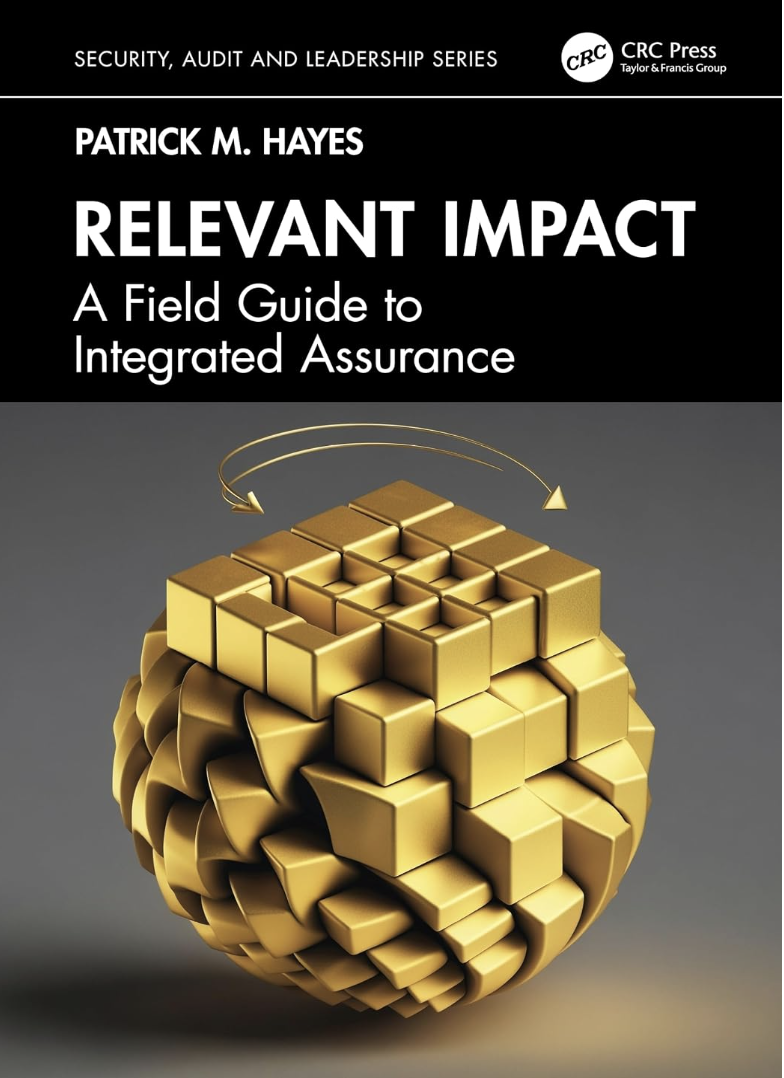
A Field Guide to Integrated Assurance
The practical companion volume: how Integrated Assurance is applied inside a working organization, and how impact is judged.
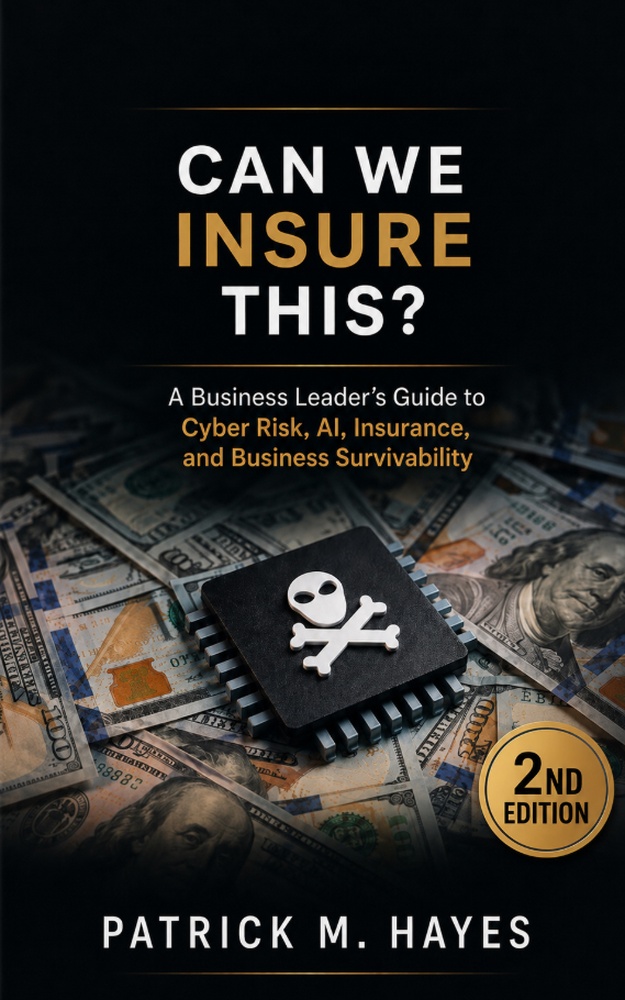
A Business Leader's Guide to Cyber Risk, AI, Insurance, and Business Survivability
Written for business leaders rather than technologists, on what cyber risk, AI and insurance actually mean for the continued operation of a company.
Writing
AI & Organizational Risk · September 24, 2026 · 11 min read
Most organizations are spending a lot of time trying to figure out how they want to use AI. They are developing policies, deciding which tools employees can use, looking at privacy concerns and trying to determine where AI makes sense in…
Decision Debt · 5 min read
For years, technology leaders have used the term technical debt to describe the future cost created when a business chooses the fastest solution instead of the best long-term one. A rushed software release, an aging platform, or an…
Cyber Risk & Insurance · 5 min read
Cyber insurance applications have changed quite a bit. What used to be a fairly straightforward questionnaire about firewalls, antivirus, and a few basic security practices has become a much closer look at how a business actually manages…
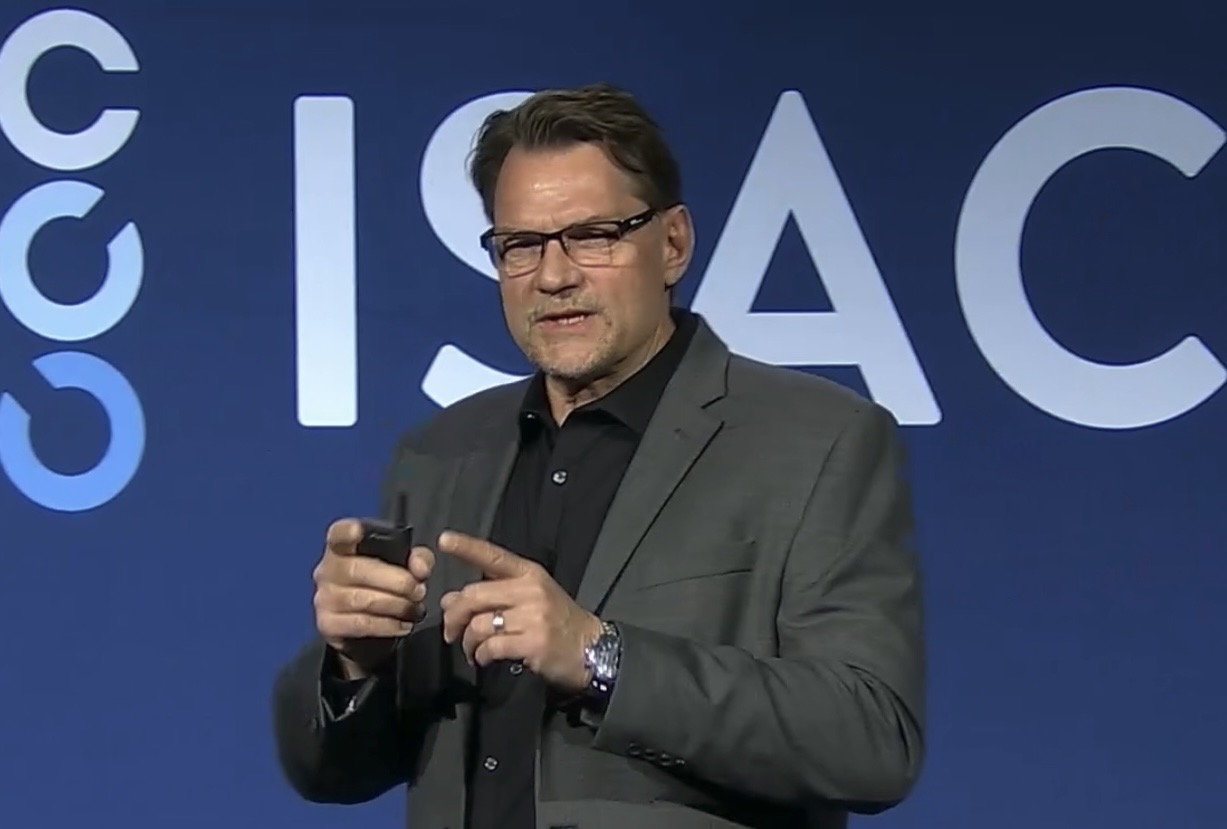
On stage
Patrick speaks to executive, business and professional audiences about the risks emerging where technology, AI, business complexity and decision-making intersect.
Topics include Business Survivability, Integrated Assurance, AI risk, cyber risk, decision debt and Operational Trust. He keynotes industry conferences and association events, and works with boards and leadership teams in closed sessions.
Some problems don’t fit neatly inside cybersecurity, risk management, operations or governance. That’s usually where the interesting conversations begin.
Patrick works with executives and boards through advisory engagements, executive sessions and workshops, and through focused Integrated Assurance and Business Survivability work.